Residential Survey for Homes Beside Maintenance Access Gates
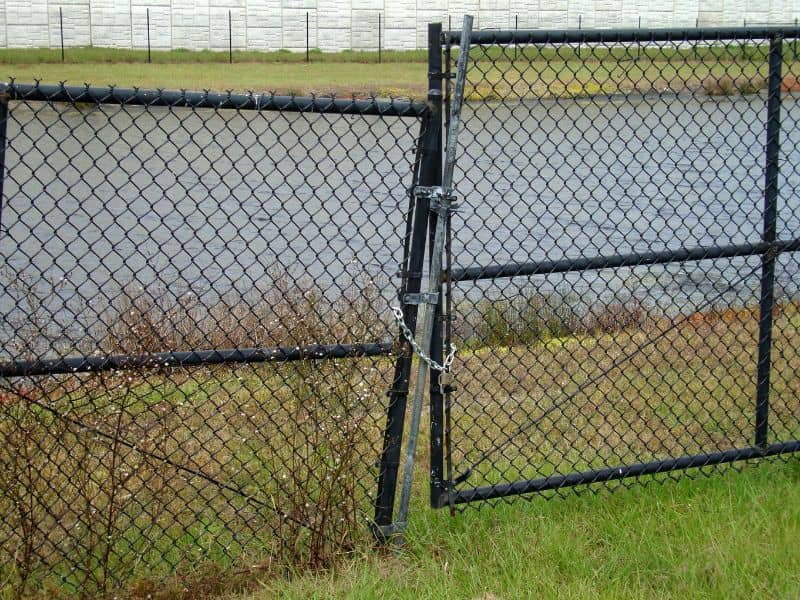
That gate at the back of the yard looks harmless until a crew drives a mower or a pump truck through it and right across your new flower bed. A residential survey is often the first time owners learn that homes beside maintenance access gates carry rights and limits nobody mentioned at closing. The plat or deed may mention them in a single line, if at all. A current survey shows where the gate sits, who can use the path behind it, and what you can safely build nearby.
Identifying Maintenance Access Gates and Their Intended Use
A maintenance access gate is an opening in a fence or wall that lets crews reach drainage, utility, or common areas. Most are tied to a recorded easement or an HOA rule. The gate may belong to the HOA, a utility, the local government, or the homeowner next to it. You’ll usually find these gates in a few common spots:
- Paths to stormwater detention or retention ponds
- Drainage swales or ditches running behind a row of lots
- Sewer lift stations and buried water or sewer lines
- Power line or pipeline corridors
- Shared common areas the HOA maintains
Look for clues on site. Utility markers, company padlocks, and worn tire tracks all point to regular use. A gate nobody has opened in years can still be tied to an active right of access, so don’t treat a quiet gate as permission to block it.
How a Residential Survey Documents Gate Locations and Property Boundaries
A licensed surveyor locates the gate, the fence it sits in, and the boundary lines around it, then shows them on a signed drawing. This tells you whether the gate is on your lot, a neighbor’s lot, or common ground. It also shows how far the gate and fence sit from your property corners.
The work starts with records like the deed, the recorded subdivision plat, and any easement documents found in a title search. Then the crew finds corner markers (often iron pins or rods) and measures where things actually sit. The finished drawing typically shows these items:
- Property lines with bearings and distances
- The gate, fence lines, and posts
- Easements shown on the plat or listed in title documents
- Buildings, driveways, sheds, and other fixed improvements
- Visible encroachments across a line
What appears on the drawing can vary by survey type, lender, and title company. Some easements exist only in recorded documents and never show up on the plat. Ask your surveyor if they’ll work from a title commitment, since it often lists easements the plat misses.
Reviewing Access Easements and Maintenance Rights Near the Home
An access easement gives someone else the right to use part of your land for a set purpose. For maintenance gates, that’s usually drainage upkeep, utility repair, or mowing. You still own the land. You just can’t block the use the easement allows.
Read the actual easement language. Width matters a lot, because a 10-foot drainage easement and a 20-foot one leave very different room for a patio or shed. Before you plan any work, get clear answers on these points:
- The party that holds the easement, such as an HOA, utility, city, or county
- The recorded width and location
- Whether crews may bring vehicles or heavy equipment
- Whether the holder must restore lawns or fences after work
- Any limits on fences, gates, or plantings
The survey shows where the easement falls on the ground. What the easement legally means is a separate question. If the wording is unclear or a dispute is brewing, talk with a real estate attorney.
Evaluating Fences, Landscaping, and Improvements Around Access Gates
Most trouble around maintenance gates comes from things owners add later. A fence gets extended across the access path. Shrubs grow over the gate, or a shed lands inside the drainage easement. If a crew needs that space and the easement allows it, those items can be removed, sometimes at the owner’s cost.
A survey compares what’s on the ground with the recorded lines. It can reveal a fence sitting two feet over the boundary or a gate moved from its original spot. It also flags improvements inside an easement, even when they’re fully on your lot. Those findings give you time to fix a problem before a utility or neighbor raises it.
Drainage needs extra care. Gates often lead to swales or ponds that carry water away from homes, and raised beds or new grading nearby can change how that water moves. Check with the easement holder or local permitting office before regrading anywhere near the gate.
Using Residential Survey Findings Before Property Changes or Sale
Survey results are most useful before money gets spent. If you’re planning a fence, pool, patio, or addition near the gate, start with the survey and the easement documents. Your contractor can then lay out the project with clear distances to the lines.
Buying or selling raises the same concerns. Title companies and lenders may ask about encroachments or access rights, and buyers want to know how often crews actually use the gate. Requirements vary by lender, title company, municipality, and county. Confirm what’s needed early if your closing, permit, or construction start depends on the survey, because surveyor schedules can fill up fast.
Frequently Asked Questions
Does a residential survey show whether a maintenance access gate is on my property?
Yes, a survey shows where the gate sits relative to your boundary lines. The surveyor measures the gate, its fence, and nearby property corners. The drawing then shows whether the gate is on your lot, a neighbor’s lot, or common ground. Who owns the gate itself may still come down to HOA records or easement terms.
Can a maintenance access easement affect where I install a fence?
It can. Many easements limit fences or require a gate wide enough for crews and equipment. Some HOAs and utilities allow fences inside an easement but won’t pay to replace them after repair work. Read the easement terms and check HOA rules before you set any posts.
What happens if a maintenance access gate crosses a residential property line?
The outcome turns on who installed the gate and what the recorded documents say. Sometimes the gate sits correctly inside an easement and only looks out of place. Other times a fence went up in the wrong spot and the gate came with it. A survey shows the exact overlap, and an attorney or the HOA can help sort out the next steps.
Can a homeowner build or landscape near a maintenance access gate?
Often yes, as long as the work stays out of the access path and follows the easement terms. Lawn, gravel, and low plantings usually cause fewer problems than sheds, walls, or trees. Anything that blocks the gate or changes drainage can create conflict with the easement holder. Get a survey and review the easement before adding anything large or permanent.
Should I request a residential survey before buying a home beside a maintenance access gate?
Yes, it’s a smart step for any buyer looking at a lot with a gate in the fence line. The survey shows where the gate, fences, and easements sit before you commit. It can also reveal encroachments the seller or listing never mentioned. Order it early so there’s time to review the results with your agent, lender, and title company.
